Sam Sulek and the Value of a Boring Record
The internet rewards the finished moment. The successful lift, the clean set, the visible result: those are the clips built to travel. Sam Sulek’s videos often keep the quieter material around them—the drive, the setup, the repeated work, the meal, and the running account of what happened.
That footage is compelling for a simple reason. It gives the audience a record. One scene may be memorable, but the accumulation shows how a process is maintained, reviewed, and changed.
This offers a useful lesson for anyone trying to understand health or performance research. A conclusion becomes easier to trust when the method remains visible.
Consistency Creates Something to Compare
A repeatable routine does not guarantee a particular outcome. It does create a reference point. Consistency creates something to compare. When the setup stays reasonably stable, changes in the record are easier to notice and harder to explain away.
Research depends on that same discipline. Investigators define a question, document materials and methods, select measurements, and decide what will count as a meaningful comparison. Those decisions need to exist before the final chart. Otherwise, the method can bend toward the result.
Consistency is not sameness for its own sake. It separates signal from avoidable noise. If the equipment, timing, collection procedure, and outcome definition keep changing, the entries may not belong on the same line. A long record built from mismatched observations can look rigorous while answering no stable question.
A Written Plan Keeps Memory Honest
Human memory edits. It gives extra weight to dramatic days and smooths over ordinary ones. A written plan preserves details that would otherwise be reconstructed after the outcome is known.
The useful entries are rarely glamorous: date, time, equipment, workload, sample identifier, method version, collection conditions, and deviations. In a laboratory, these details allow someone to trace a result back to the material and procedure that produced it. In a training record, they help explain whether two sessions were actually comparable.
The point is not to turn every routine into a research protocol. It is to recognize what documentation does. It creates distance between what happened and what we later wish had happened.
Repetition is Useful Only When the Setup is Visible
Repeating an action can build familiarity, but repetition alone is not proof. If the setup is hidden, viewers cannot tell whether the same question was tested again or whether the conditions changed.
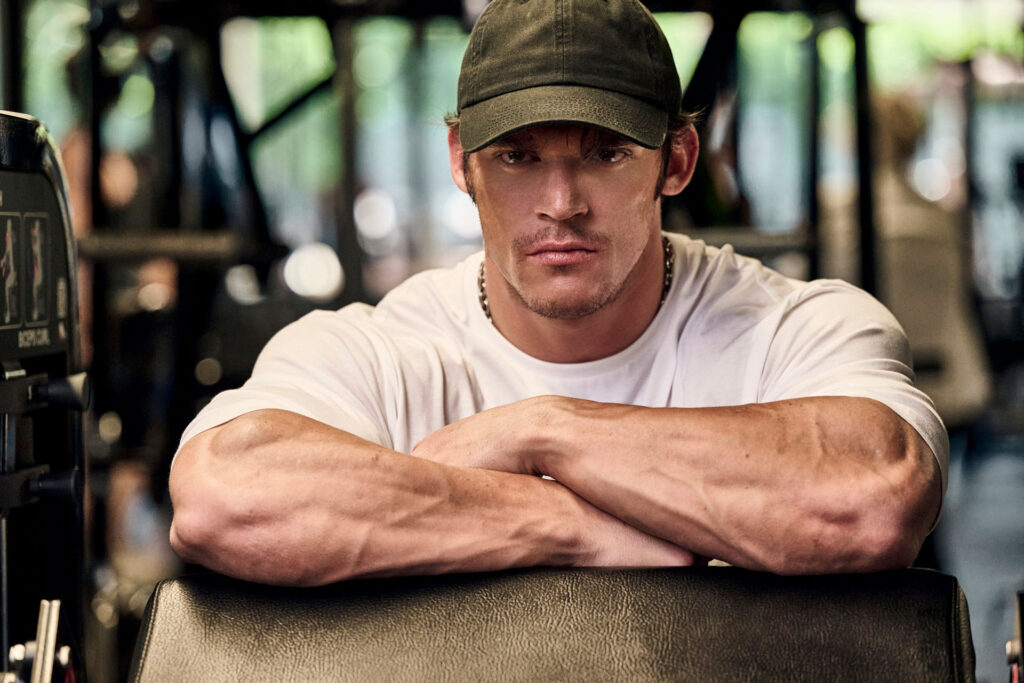
This is one reason finished-result content can mislead. The audience sees an outcome without knowing what preceded it, which attempts were omitted, or how the conditions differed. The value of examining a training method rather than just its results can be seen in scientific analyses of Sam Sulek’s training, which evaluate factors such as technique, volume, and programming. The missing footage may contain the information needed to understand the clip.
A stronger record frames more widely. It shows enough of the setup to make comparison possible. It identifies when something changed and whether that change was deliberate. It also preserves the dull stretches when the expected movement did not appear.
A Record Preserves the Misses
Failed attempts and null results carry information. They can reveal a weak assumption, a measurement problem, an uncontrolled condition, or a question that needs to be narrowed. Removing them makes the path look cleaner than it was and can encourage others to repeat the same mistake.
The same pressure exists in research communication. Positive findings are easier to publish, promote, and summarize. A clean percentage is easier to remember than a description of uncertainty. Yet the missed result may define the boundary of the claim.
Keeping the misses is not pessimism. It is how a process learns. A record that contains only wins is a highlight reel, not an audit trail.
A Strong Plan Can Still Be Wrong
Discipline can create its own blind spot. The more effort invested in a plan, the easier it becomes to defend the plan instead of reading the result. A person can be consistent and still be measuring the wrong thing.
Review creates a checkpoint. Did the outcome match the original question? Did the measurement behave as expected? Was an uncontrolled variable introduced? Does the next step follow from the evidence, or from attachment to the idea?
Sometimes the answer supports the plan. Sometimes it points to a small adjustment. Sometimes it shows that the premise needs to be rebuilt. None of those outcomes erases the work. The correction is part of the work.
The Camera Can Document the Correction Too
Sam’s long-form approach makes room for revision. The audience can see a routine develop instead of receiving a polished origin story after the fact. That does not turn a creator’s experience into scientific evidence. It does show why an honest record holds attention: people can follow the reasoning as it changes.
Within the NewBioRx campaign, Sam represents disciplined curiosity. His participation is not a scientific endorsement, a statement that he uses NewBioRx materials, or proof of any health or performance result. The research must carry its own evidence.
Keeping that boundary clear protects both stories. Sam’s content can speak to process and consistency. NewBioRx can speak to documentation, research stage, and the limits of a claim. Neither has to borrow authority from the other.

Keep the Claim Close to the Record
Public health copy often keeps the conclusion and drops the setup. A percentage appears without the underlying values. A chart loses its units. A laboratory observation is rewritten as a promise about people. The farther the statement moves from the original record, the more confident it tends to sound.
A practical check is to trace the claim backward. What source does it come from? What setting produced it? Which sample or population was studied? Which method was used? What outcome was measured, over what period, and against which comparison? What did the work leave unresolved?
If you can’t answer those questions, the problem isn’t that the copy needs a stronger adjective. The claim needs a better record.
The NewBioRx Point of View
NewBioRx believes potential is already present. The work is to observe it, preserve the conditions around it, and learn without turning every change into a promise. That is why the record matters.
The future of health will produce no shortage of data. Credibility will belong to the teams willing to show how the data were created, what they mean, and where they stop. The work may look repetitive from the outside. That repetition is often where trust begins.
Follow the record at NewBioRx.

NewBioRx™ focuses on delivering ultra-pure peptides, proteins, and amino acid derivatives for research and development purposes.
Sources
Disclaimer
Educational content only. This content is not medical advice and does not describe an intended use of any NewBioRx material. NewBioRx materials are intended strictly for research and development use only—not for human or veterinary use.