Kai Greene says there is “no situation” with Justin Compton after they traded barbs – aiming to bow out of the drama
The latest episode of the Kai Greene Effect dives into two very different but equally revealing sides of bodybuilding legend Kai Greene. On one hand, the podcast addresses a brewing controversy involving fellow IFBB pro Justin Compton. On the other, it shifts into a surprisingly personal discussion about aging, longevity, and self-reflection, followed by a lightning round of questions that gives fans rare insight into Kai’s mindset as both an athlete and a human being.
Here’s a brief overview of the topics discussed this week:
- Kai Greene fives his final response to Justin Compton after some heated comments
- Kai on longevity, skin care, and the realities of aging
- What is Kai’s greatest weakness on his physique?
- Why did Kai finally stop competing after 2016?
- Kai shares his favorite cheat meal
You can watch the full episode of the Kai Greene Effect above. Keep reading for a more in-depth review of the episode. Let’s dive in!
Subscribe to Generation Iron Patreon Page For The Full Uncut Episode
Justin Compton Responds to Kai Greene: “Make Me”
The central talking point of the episode revolves around recent comments made by Justin Compton, who publicly responded to Kai Greene by saying that if Kai wants him to stop talking, he should “make me.” Justin also claimed that he would confront Kai the next time they see each other, while promising that there would be “no violence.”
That statement alone sparked online reactions, speculation, and plenty of click-driven headlines. But Kai Greene makes it clear early in the episode that he does not see this as a real conflict.
According to Kai, there is “no situation” between himself and Justin Compton at all. What people are reacting to, he suggests, is the internet’s constant hunger for attention, controversy, and engagement. In his view, the exchange has been exaggerated because outrage and drama perform well online.
Everyone wants clicks. Everyone wants likes. And when two recognizable names are involved, even a mild disagreement can quickly be turned into something much bigger than it really is.
Has Kai Heard Justin’s Response?
Co-host Vlad asks Kai Greene directly whether he has heard what Justin Compton said in response since Kai last addressed Justin’s original comments.
Kai answers honestly. He says he’s heard that Justin made a lot of comments, but he doesn’t confirm whether he actually watched or listened to Justin’s response in full. Instead of dissecting what was said word for word, Kai zooms out to something broader.
People are who they are.
Justin is going to do his own thing. Kai is going to keep doing his own thing.
Kai Greene admits that part of him would “love to get wrapped up in that,” but he quickly follows it by saying there’s simply no opportunity in his life to spend time tangled up in unnecessary drama. For him, it’s not avoidance out of fear. It’s avoidance out of focus.
He would rather put his energy into growth, creativity, and purpose than into back-and-forth exchanges that don’t lead anywhere productive.
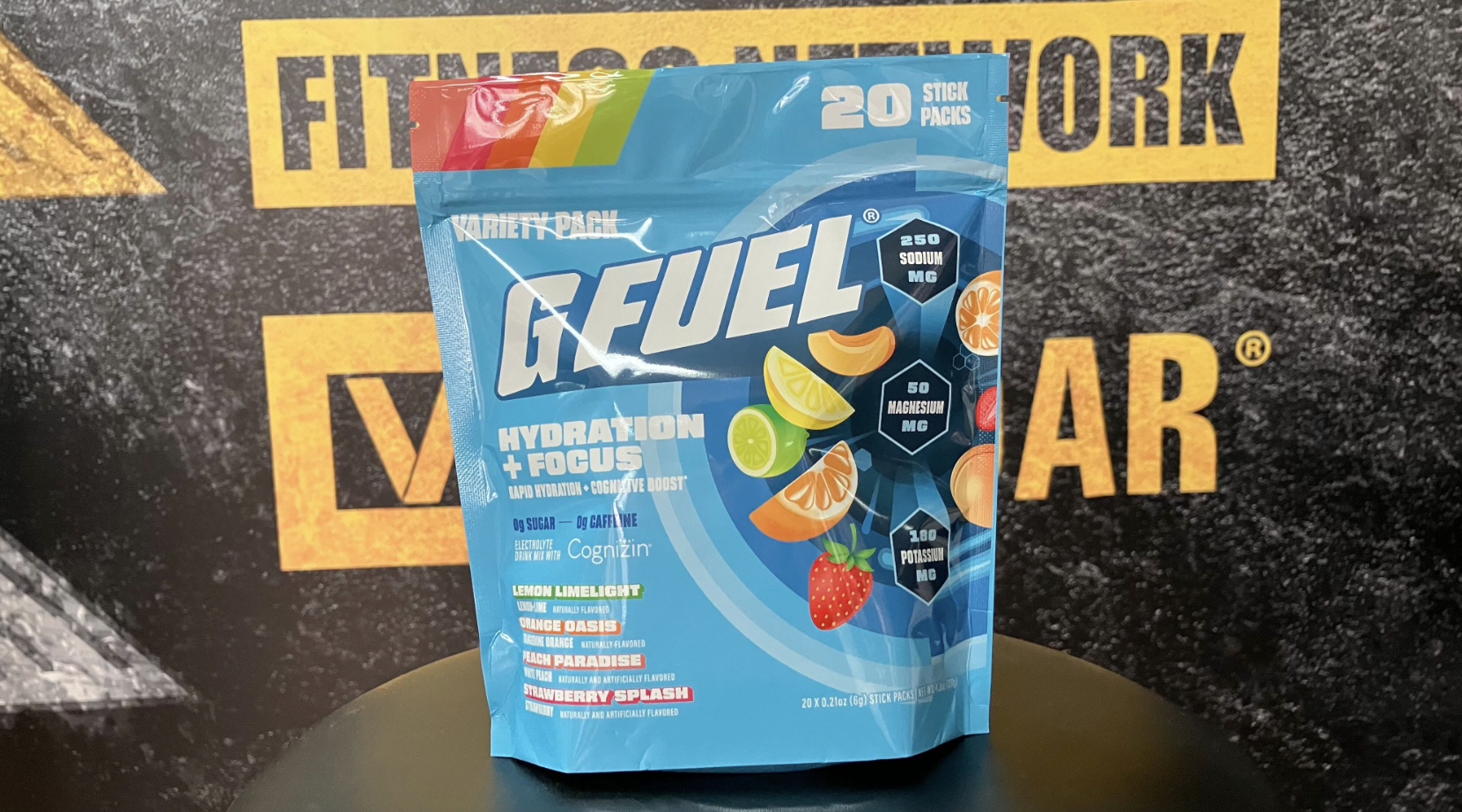
This week’s episode of the podcast is brought to you by G FUEL. Introducing their new 2.0 formula – with cleaner ingredients and the same amazing flavors you know and love – without the chalky aftertaste and no more powder settling at the bottom of your shaker.
We’re talking upgraded ingredients, more aminos, more antioxidants, and zero fillers. Our new formula has everything you need to fuel your worlds!
Use code GI20 at checkout and save 20% off your next purchase!
Speaking Your Mind vs. Speaking Responsibly
Vlad points out that it’s often refreshing when people speak their mind honestly, especially in a sport where many athletes stay quiet or guarded. Honest opinions can open the door to real conversations and meaningful debate.
Kai Greene pushes back on that idea, not by rejecting honesty, but by adding an important layer to it.
Yes, honesty matters. But so does responsibility.
Kai explains that words can hurt people even when that isn’t the intention. And when you’re a public figure, especially in bodybuilding, those words carry extra weight. Fans listen. Young athletes listen. People who are still forming their beliefs about the sport listen.
When bodybuilders speak openly about things they don’t fully understand, or present opinions as facts, the damage isn’t always visible right away. It may not even affect the person being talked about. Instead, it might affect a fan or aspiring athlete who takes those words to heart and becomes discouraged.
That, Kai says, is the real issue.
The Mr. Olympia Narrative and “Accepted Truths”
Kai Greene then addresses one of the most persistent narratives surrounding his own career: the idea that he never won the Mr. Olympia because of controversial parts of his past.
He acknowledges that this perspective is widely accepted today. Many people believe it. Many repeat it as if it’s fact.
But Kai draws a clear distinction between what is commonly believed and what is actually known. Just because the masses agree on something doesn’t make it true.
Kai continues to say that everyone speaks from their own perspective. To them, it feels real. It feels important. It feels factual. But perspective is not the same as proof.
Kai emphasizes that this is exactly why responsibility matters. Whether your platform is large or small, what you say shapes how others see the sport, the athletes in it, and themselves.
Before putting something out into the world, he believes people should pause and ask whether it’s helpful, fair, or necessary.
Protecting the Next Generation of Bodybuilders
One of the most powerful moments of the episode comes when Kai Greene shifts the conversation toward young, aspiring bodybuilders.
He asks athletes with platforms to think about the kids and young adults who are just discovering bodybuilding. They’re excited. They’re motivated. They believe anything is possible.
Over time, as competitors spend more years in the sport, it’s natural to become more cynical. You see the flaws. You learn how imperfect things can be. But Kai believes that speaking irresponsibly from that cynical place can do real harm.
It can break that early excitement.
It can turn inspiration into defeat.
And to Kai, that’s a tragedy.
Rather than tearing down the illusion for the next generation, he would rather inspire them. He would rather fuel belief than strip it away prematurely.
Kai Greene’s Final Word on the Controversy
Kai closes the topic with a message that extends far beyond bodybuilding drama.
He tells listeners not to let anyone convince them that something they did in their past is a reason they can’t accomplish something in their future. Everyone makes mistakes. Everyone regrets decisions.
But those things do not have to define the rest of your life.
Kai explains that you can change the meaning of your past by creating new opportunities in the future. That mindset is exactly what carried him forward in his own career.
If he had believed from the start that success was impossible because of politics or perception, he never would have become a professional bodybuilder. He never would have reached the Mr. Olympia stage. He never would have built the legacy he has today.
Feelings and rumors are not the same as facts.
And when opinions about others are based on incomplete information, sometimes the most powerful choice is to pause and decide whether they need to be said at all.
Does Kai Greene Have a Skincare Routine?
The episode then shifts gears into a lighter but surprisingly thoughtful topic: aging, skincare, and longevity.
Kai Greene admits that if someone asked him about skincare or Botox 20 years ago, he would have been confused. Back then, those conversations didn’t feel masculine to him. They simply weren’t part of the culture.
Today, his perspective has changed.
Kai openly talks about exploring peptides, stem cells, and other methods focused on longevity and quality of life. His goal isn’t vanity. It’s function. He wants to feel good as he ages. He wants to move, run, squat, and live without constant knee or shoulder pain.
As for Botox, Kai says he’s never seriously considered using it. But he’s not judgmental about it either. He’s open to anything that helps people feel better in their bodies.
When it comes to skincare, Kai admits he’s never paid much attention to moisturizing or exfoliating. Still, the conversation itself has sparked curiosity. For the first time, he’s interested in seeing what options might be out there.
Lightning Round Questions
Greatest Physical Weakness
When asked about the biggest flaw in his physique, Kai Greene points to his long arms. He explains that because of their length, he was hesitant to train them aggressively, especially his forearms. He focused more on his back instead.
Looking back, he wishes he had given himself permission to train his arms more without fear.
Why He Stopped Competing
Responding to criticism about why he didn’t continue competing despite placing near the top, Kai explains that it’s easy to judge from the couch. Being a fan is a luxury.
Fans don’t see everything that goes into decisions made by athletes, leagues, or the sport itself. In many cases, they aren’t meant to. Too much information can ruin the magic and excitement of competition.
There’s a reason fans sit where they sit, and athletes stand where they stand.
Favorite Cheat Meal
Finally, Kai Greene ends on a classic note: peanut butter and jelly.
A well-made PB&J, he says, is unbeatable. Once you start, it’s almost impossible to stop. It’s simple, nostalgic, and still one of the best cheat meals he’s ever had.
Wrap Up
This episode of the Kai Greene Effect isn’t about winning arguments or settling scores. It’s about maturity, responsibility, and growth.
Kai Greene once again proves that his greatest strength isn’t just his physique, but his ability to reflect, adapt, and lead with intention in a sport that often rewards noise over substance.