Africa’s top powerlifters converged on the Elgro Hotel in Potchefstroom to showcase their strength and technique during the 2026 African Powerlifting and Bench Press Championships, held from October 30 – November 5.
Athletes from 11 countries travelled to what is regarded as the unofficial home of powerlifting in South Africa to compete in various age groups and weight classes.
Dan Oppenheim (81) made lifting look easy, performing feats of strength that many people decades younger would struggle to match.
The women also demonstrated immense strength and determination, highlighting that powerlifting is far from being a male-dominated sport.
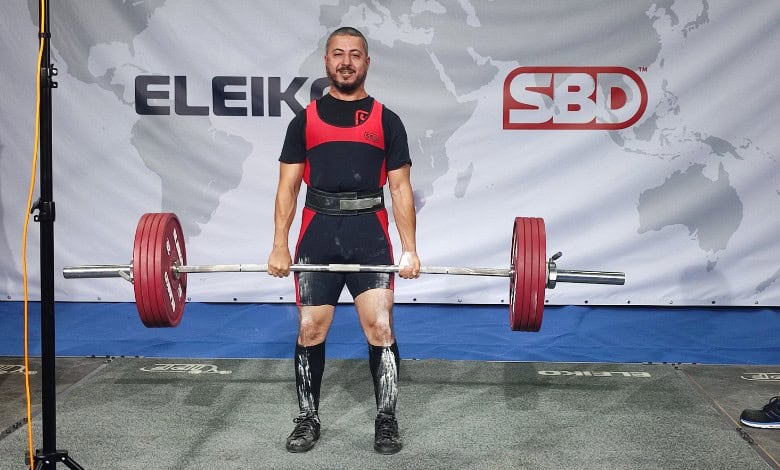
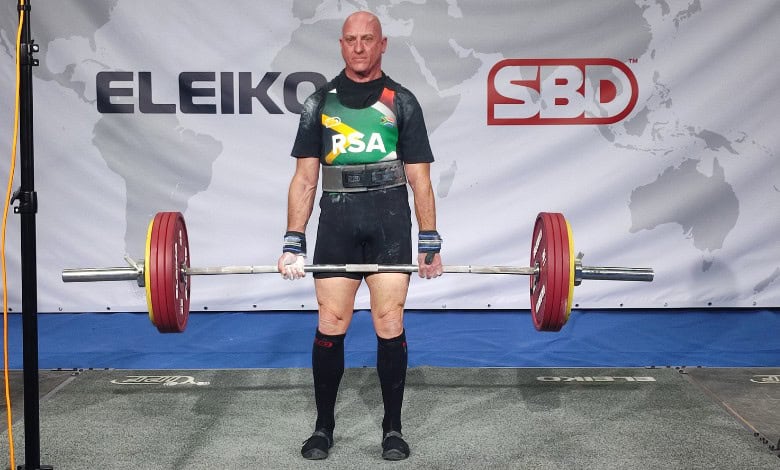
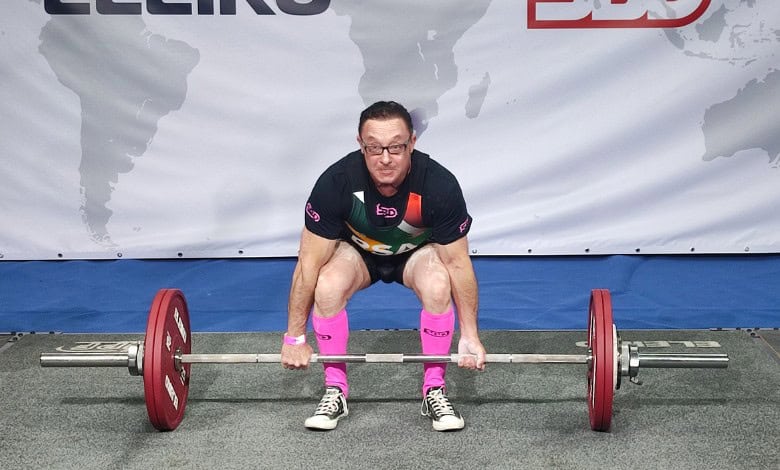
What is powerlifting?
Powerlifting is a strength sport consisting of three disciplines: the squat, bench press and deadlift. These lifts test an athlete’s strength and technical ability.
It differs from Olympic weightlifting, which focuses on explosive power, speed and technique through overhead lifts. Powerlifting, in contrast, does not involve lifting weights overhead.
The president of the South African Powerlifting Federation (SAPF), Hannie Smith, said the sport has experienced renewed interest, despite ongoing challenges with sponsorship and funding.
“We are fortunate that we have 11 countries competing here now. It’s all about getting money and the travel costs. Next year, we also have the University Cup in Potch, which is an international event,” he said.
“Athletes have to pay for their own costs, especially when travelling to overseas competitions. Hosting an African Championships in Potch gives athletes a chance to gain Protea colours without having to travel far,” he added.
Smith has been involved in powerlifting for the past 35 years and has travelled to various countries to pursue his passion. His advice to anyone interested in taking up the sport is to join a club where they can train.
“They must affiliate with the province and ensure that the province is also affiliated with SAPF.”
Lifters compete in different age groups, starting with the youth division for athletes aged 10 to 13, followed by sub-juniors (14 to 18) and juniors (19 to 23). Competitors aged 24 and older fall into the open category.
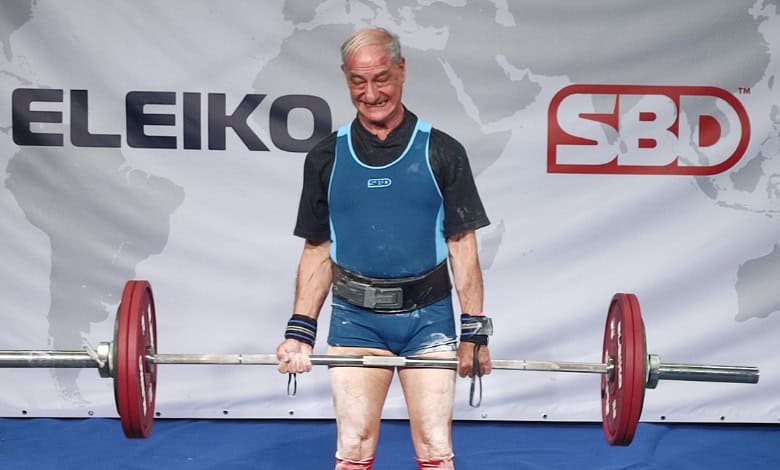
There are also four masters divisions, with athletes grouped into 10-year age brackets according to their age. Within each age group, lifters compete in specific bodyweight categories, with eight categories for both men and women.
Powerlifting caters to people of all body shapes and sizes, with technique, hard work and personal goals playing an important role in the sport. One of the key aspects of powerlifting is the relationship between a coach and an athlete, with coaches guiding lifters to perform at their best.
“A good coach has a short time to assess where an athlete is in terms of technique and determine whether they can go heavier with their lifts. A coach knows exactly what the athletes need to do. Strict anti-doping measures are also an important aspect of the sport,” said one of the competition’s head coaches, Henk de Wet.
Experience and strength know no age
Hermanus de Beer (56), a South African powerlifting champion from Kempton Park, achieved a combined total of 678 kg across the three lifts.
His achievements include a 220 kg squat, a 157.5 kg bench press (African Masters 2 record) and a 300.5 kg deadlift (African Masters 1 record). His combined total of 678 kg is also an African Masters 2 record.
De Beer said maintaining good health and the camaraderie among competitors are two of the aspects he values most about the sport.
“Health is very important to me. The camaraderie in the sport is fantastic. When we are on the platform, we support one another. That is what powerlifting is about. Ultimately, it is you against the weight,” he said.
De Beer added that one of the rewarding aspects of powerlifting is being able to track your own progress and see how you improve over time.
“There is no age limit and nothing needs to hold you back. When I started in the 1980s, there were mostly men in the sport. Today, you see many more young people, men and women, getting involved.”
His advice to anyone considering taking up powerlifting is simple: there is no perfect time to start.
“The best time is simply to start. Find a good powerlifting coach, join a club and enter a club competition before progressing to provincial level. Measure yourself against yourself, not against other people.”
At Caxton, every story is written by humans. We use AI only to perform quality checks – never to generate the news. Happy reading!