IWF Executive Board agrees next steps on governance following ASOIF Review
The IWF Executive Board has met to consider the International Federation’s results in the Sixth Review of International Federation Governance, published last week by the Association of Summer Olympic International Federations (ASOIF), and to agree the strategy for continuing to strengthen governance across the sport.
The IWF retained its Category B status, with ASOIF noting positive improvements in every section of the assessment. The federation’s score rose by 21 points between the 2023-24 and 2025-26 reviews – significantly higher than the average increase of around 10 across all International Federations, and one of only four IFs to improve by more than 20.
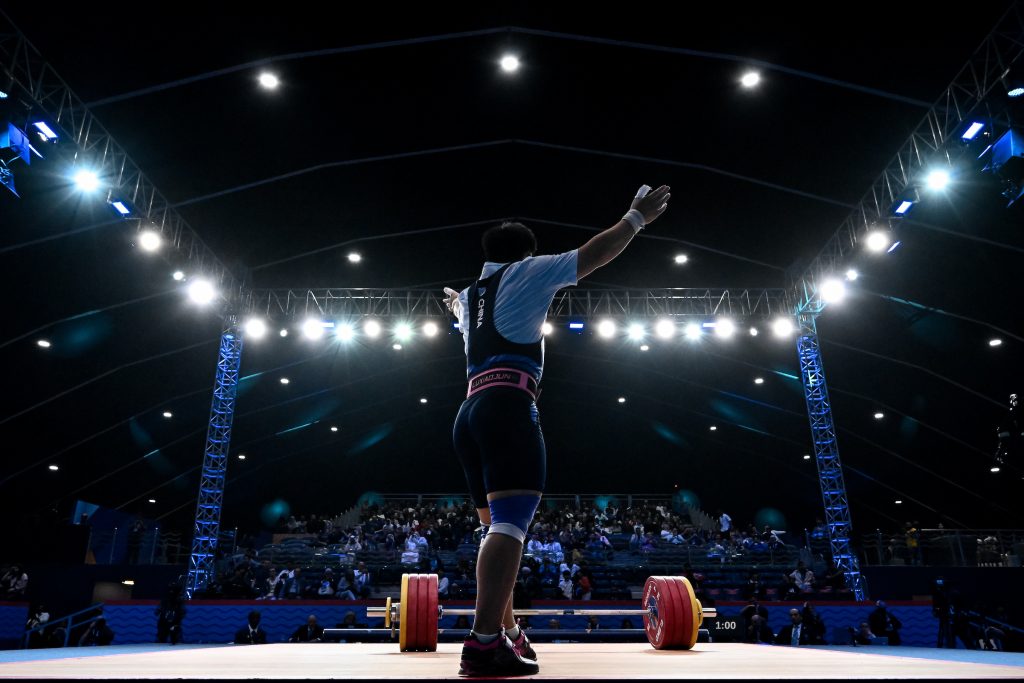
The result reflects the steady reform the IWF has pursued in recent years to enhance transparency, integrity and accountability. With that progress confirmed, the Board has now focused on what comes next, agreeing a programme of work to further advance its governance structures and build on firmer foundations than at any point in its recent history.
IWF President Mohammed Jalood said the Board’s discussion underlined a clear direction of travel for the sport.
“Weightlifting has come a long way, and this result is a sign that the changes we have made are taking hold. We have worked hard to be more transparent, more accountable and more open in how we govern our sport, and that effort is being recognised. But the Board is clear that we are not standing still. We have agreed where we go from here, and there is more to do. Strengthening our governance is not a task we complete once and set aside – it is how we intend to run the IWF every day.”
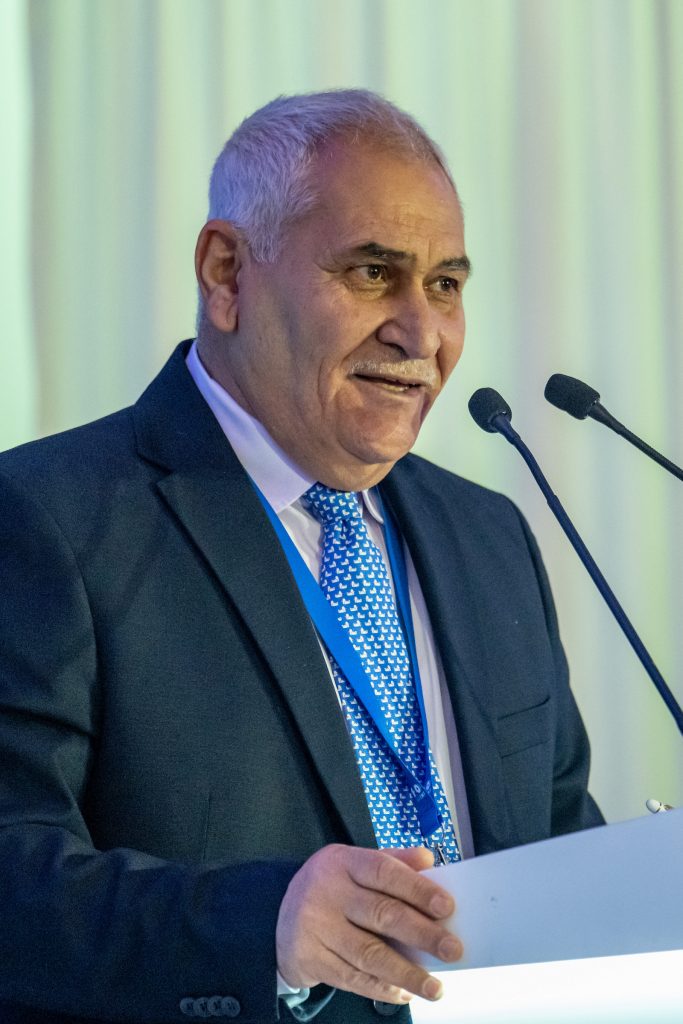
IWF President Mohammed Jalood
The ASOIF review is the most established benchmark for governance in the Olympic Movement. Overseen by ASOIF’s Governance Task Force and independently moderated, it measures every summer Olympic International Federation against a framework covering transparency, integrity, democracy, development and solidarity, and control mechanisms.
IWF Communications