The Complete Guide to Building Muscle Naturally
In an industry dominated by powders, pills, and performance boosters, it’s easy to forget a simple truth: you can build an impressive physique with great muscle mass and low body fat without supplements. Yes, supplements are great for helping you out, but they are not necessary. A well-structured bodybuilding diet using whole foods can deliver everything your body needs for muscle growth, recovery, and performance.
Our team at Generation Iron is going to break down how to follow a bodybuilding diet without supplements—covering calories, macros, food choices, meal timing, and practical strategies to maximize results naturally.
Why Skip Supplements?
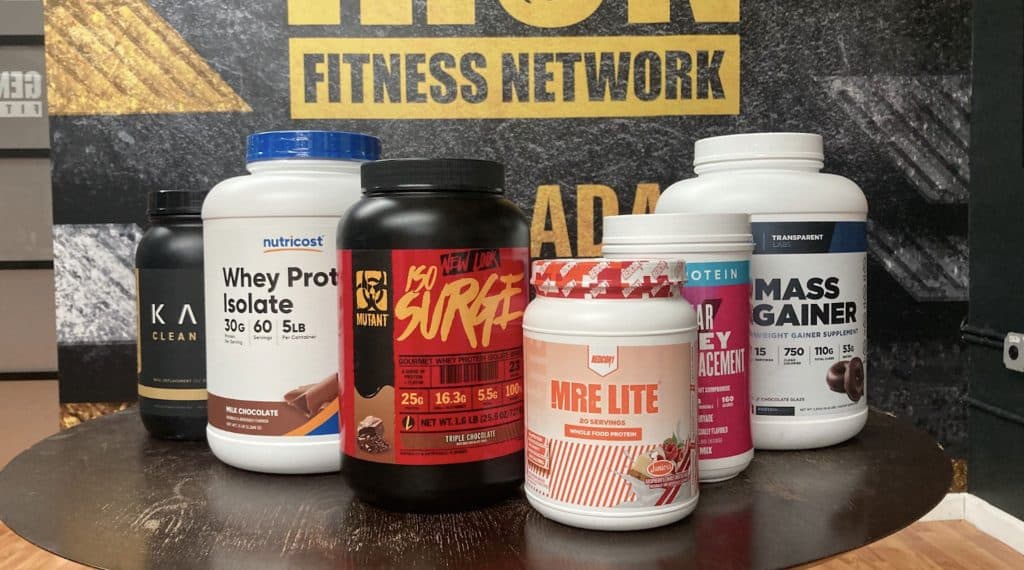
We aren’t talking about peptides or steroids, we are talking about over the counter supplements like protein powders and testosterone boosters. Supplements can be convenient, but they’re not essential. Many lifters rely on them as shortcuts, when in reality, whole foods provide:
- Complete nutrient profiles (vitamins, minerals, fiber)
- Higher satiety (keeping you full longer)
- Better digestion and nutrient absorption
- Long-term health benefits
A properly planned diet can match—or even outperform—a supplement-heavy approach when it comes to building muscle.
Calorie Intake: The Foundation of Muscle Growth
To build muscle, you must be in a calorie surplus—meaning you consume more calories than you burn.
Step 1: Find Maintenance Calories
Use body weight and activity level as a baseline:
- Sedentary: bodyweight × 12–13
- Moderately active: bodyweight × 14–15
- Highly active: bodyweight × 16–18
Step 2: Add a Surplus
Add 250–500 calories per day to support lean muscle growth without excessive fat gain.
Consistency matters more than perfection. Track your intake and adjust based on progress.
Macronutrients: How to Structure Your Diet
Protein: The Building Block of Muscle
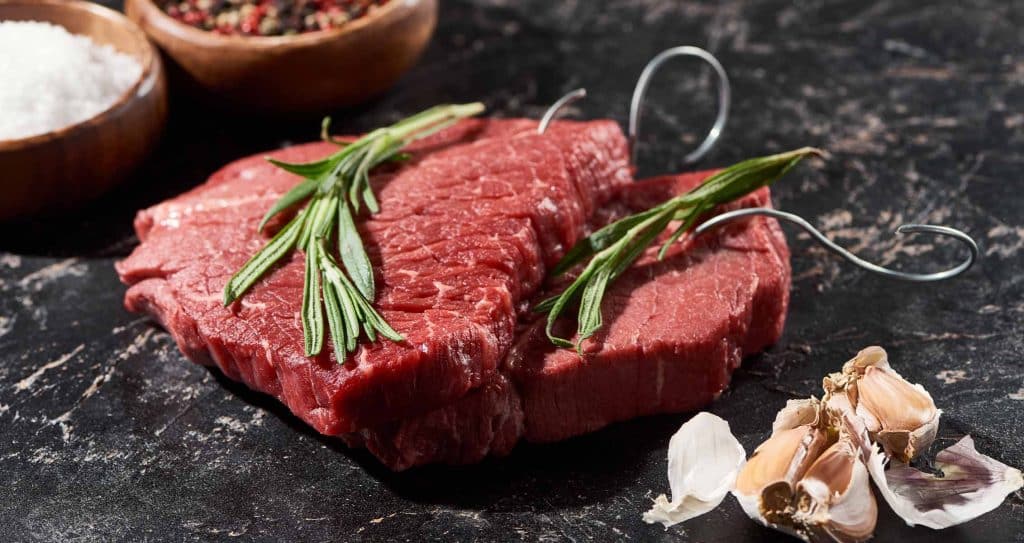
Protein is the big one of the three macronutrients, and it is the one that really builds your muscle.
Aim for:
- 0.8–1.0 grams per pound of bodyweight
Best whole food sources:
- Chicken breast
- Lean ground beef
- Eggs
- Greek yogurt
- Cottage cheese
- Fish (salmon, tuna)
- Beans and lentils
Whole foods provide complete amino acid profiles—no protein powder required.
Carbohydrates: Fuel for Performance
Carbs are essential for training intensity and recovery.
Aim for:
- 2–3 grams per pound of bodyweight
Best sources:
- Rice
- Potatoes
- Oats
- Whole grain bread
- Fruits
- Vegetables
Carbs replenish glycogen stores and keep your workouts strong.
Fats: Hormone Support and Health
Dietary fat supports testosterone production and overall health.
Aim for:
- 0.3–0.5 grams per pound of bodyweight
Best sources:
- Avocados
- Nuts and seeds
- Olive oil
- Fatty fish
- Whole eggs
Best Foods for a Supplement-Free Bodybuilding Diet

Focusing on nutrient-dense foods ensures you meet your macro and micronutrient needs.
High-Protein Whole Foods
- Chicken thighs and breasts
- Lean beef and steak
- Eggs (whole)
- Greek yogurt
- Milk
- Fish
High-Carb Foods
- White and brown rice
- Sweet potatoes
- Oatmeal
- Quinoa
- Bananas and berries
Healthy Fats
- Olive oil
- Peanut butter
- Almonds
- Cheese
Nutrient-Dense Additions
- Spinach
- Broccoli
- Peppers
- Mushrooms
Sample Bodybuilding Meal Plan (No Supplements)
Breakfast
- 4 whole eggs
- Oatmeal with banana and peanut butter
Lunch
- Grilled chicken breast
- White rice
- Mixed vegetables
Snack
- Greek yogurt with honey and berries
Dinner
- Lean steak
- Sweet potato
- Spinach salad with olive oil
Evening Snack
- Cottage cheese with almonds
This plan delivers balanced macros, sustained energy, and complete nutrition—all from real food.
Meal Timing: Does It Matter?
While total daily intake is most important, meal timing can still help optimize performance.
- Eat 3–5 meals per day
- Include protein in every meal
- Eat carbs before and after workouts
- Stay consistent with meal timing
Post-workout meals don’t need to be shakes—whole foods work just as well.
Hydration and Recovery
Without supplements, hydration becomes even more important.
- Drink at least 0.5–1 gallon of water daily
- Increase intake during intense training
- Include electrolytes naturally (salt, fruits, vegetables)
Sleep is equally critical:
- Aim for 7–9 hours per night
- Recovery drives muscle growth—not just training
Common Mistakes to Avoid
Not Eating Enough
Many natural lifters underestimate calorie needs. If you’re not growing, you’re likely under-eating.
Inconsistent Protein Intake
Spacing protein evenly throughout the day improves muscle protein synthesis.
Overcomplicating the Diet
Stick to simple, repeatable meals that you can sustain long-term.
Ignoring Micronutrients
Whole foods provide vitamins and minerals that supplements often isolate—don’t neglect fruits and vegetables.
Can You Really Build Muscle Without Supplements?
Absolutely. Some of the most impressive physiques in history were built before modern supplements existed. Supplements are optional tools—not necessities.
What matters most:
- Consistent calorie surplus
- Adequate protein intake
- Progressive overload in training
- Proper recovery
If those are in place, your body will grow.
Final Thoughts
A bodybuilding diet without supplements isn’t just possible—it’s effective, sustainable, and often healthier. By focusing on whole foods, proper calorie intake, and balanced macronutrients, you can build muscle, improve performance, and maintain long-term health without relying on powders or pills.
If you’re serious about bodybuilding, don’t overcomplicate things. Master your nutrition, stay consistent, and let real food do the work.
Let us know what you think in the comments below. Also, be sure to follow Generation Iron on Facebook, Twitter, and Instagram.
References
Helms, Eric R., et al. Evidence-Based Recommendations for Natural Bodybuilding Contest Preparation: Nutrition and Supplementation. Journal of the International Society of Sports Nutrition.
Phillips, Stuart M. “A Brief Review of Critical Processes in Exercise-Induced Muscular Hypertrophy.” Sports Medicine.
Schoenfeld, Brad J. Science and Development of Muscle Hypertrophy. Human Kinetics.
U.S. Department of Agriculture. Dietary Guidelines for Americans.