Ronnie Coleman didn’t just dominate bodybuilding with his training—his diet was equally legendary.
Eight Mr. Olympia titles don’t come from good genetics alone.
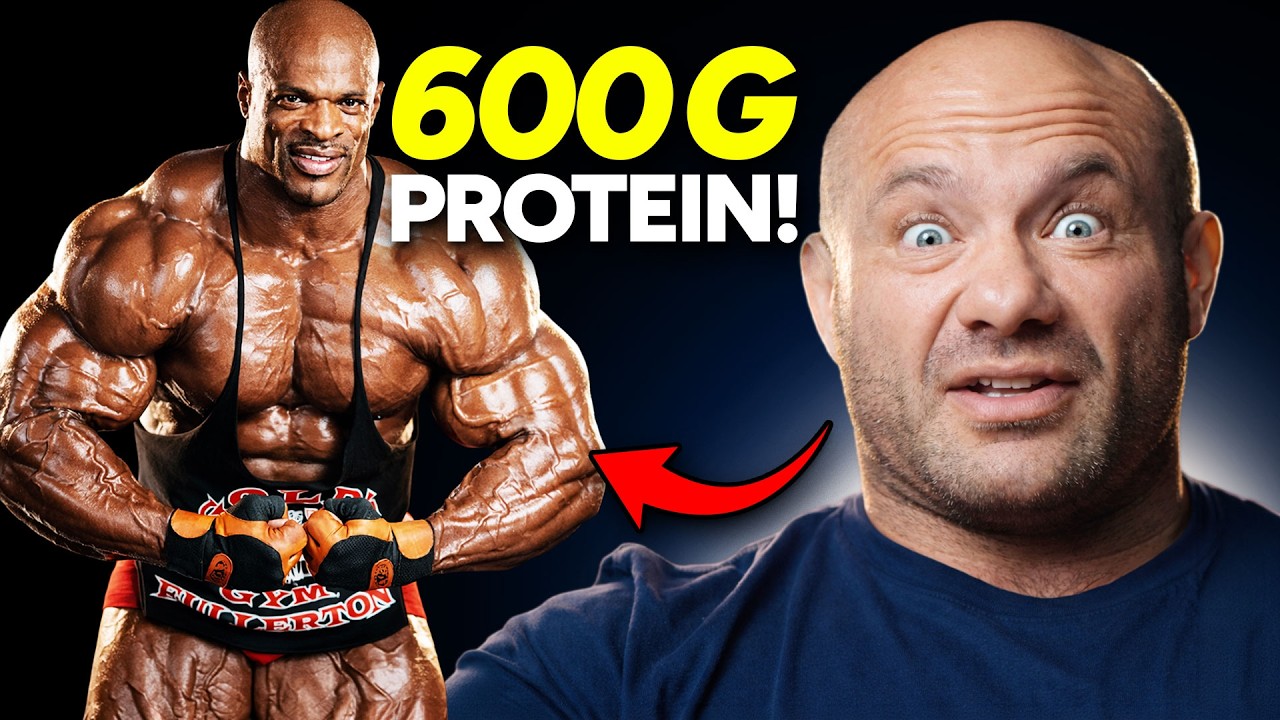
In a detailed analysis, Dr. Mike Israetel, professor of exercise and sport science, breaks down exactly what fueled one of bodybuilding’s greatest physiques.
And some of Ronnie’s eating habits might surprise you.
Structure Was Everything
Coleman’s approach to nutrition wasn’t flexible or intuitive. Every meal happened at precisely planned times, creating an unbreakable rhythm that supported his extraordinary physique goals.
Everything was structured. Everything was done at the same time each and every single day.
This regimented approach delivered benefits beyond simple calorie counting. By eliminating daily food decisions, Ronnie preserved mental energy for training. Cognitive bandwidth becomes precious during contest prep, and removing nutritional guesswork frees up focus for what matters most.
There’s another psychological advantage: confidence. When you execute a well-designed plan flawlessly, doubts evaporate. You’re not wondering if better food choices would have improved results—you know you’ve done everything possible.
Zero Cheating, Zero Exceptions
When asked how often he cheated on his diet, Ronnie’s response was telling.
It never even crossed my mind. Never ever went to a restaurant when I was back. I weighed and measured everything.
This level of adherence isn’t necessary for everyone. Modern food labeling makes tracking easier than Ronnie’s era required. But precision matters more as competition approaches.
Weighing food becomes increasingly important during final prep weeks when minimal body fat remains and every macro counts toward achieving peak conditioning.
600 Grams of Protein Daily
Perhaps Ronnie’s most extreme dietary practice was consuming massive protein quantities.
In contest prep, I ate like 600 grams of protein a day.
Current research suggests approximately 1.5 grams per pound of body weight maximizes muscle growth and retention. At 300 pounds, Ronnie’s ideal intake would be around 450-500 grams daily. His 600-gram approach represented overkill, though perhaps not dramatically so.
Dr. Israetel notes this creates problems. Extreme protein intake leaves insufficient calories for hormone-supporting fats and workout-powering carbohydrates. Beyond nutritional concerns, eating that much protein—especially from whole foods—becomes genuinely unpleasant.
I got to tell you, realistically, 600 grams of protein, it gets into that annoying amount to eat.
What Ronnie Actually Ate
Coleman’s protein sources were straightforward and accessible:
- Rotisserie chicken
- Boneless turkey breast
- Bison burgers
- Lean steak
- Egg whites and whole eggs
Nothing exotic. Nothing unnecessarily difficult. Just high-quality protein consumed consistently.
Meal Frequency and Portions
I ate 16 ounces of protein with every meal. I was eating six meals a day.
That’s one full pound of protein per meal, six times daily. Even for someone Coleman’s size, this required serious dedication and occasional middle-of-the-night eating sessions to maintain his schedule.
Forcing Growth Through Food
Ronnie discovered that training intensity alone didn’t produce his massive physique.
I thought that would be it, but come to find out that size comes from eating. As soon as I went from 10 ounces to 16 ounces, that’s when I started putting on size. I went from like 280 to like 325 by just eating a ton of food.
This 45-pound gain required months of uncomfortable eating. Coleman candidly described it as “the hardest thing ever trying to stuff all this food down.”
Making Massive Eating Easier
Dr. Israetel offers practical strategies for those struggling with large clean-food intakes:
- Reduce your surplus: Gain half a pound weekly instead of a full pound—you’ll build muscle effectively while avoiding unnecessary fat gain
- Improve food preparation: Grilling, air frying, and seasoning transform bland meals into enjoyable ones without altering macros
- Use flavored beverages: Diet sodas, Crystal Light, or Mio drinks make solid food easier to consume
The goal isn’t suffering—it’s consistent execution. Making food more palatable increases adherence without compromising nutritional quality.
Strategic Carb Cycling
During contest preparation, Ronnie employed sophisticated carbohydrate manipulation.
This is what I call my low carb week. I probably have like six days where I low carb and I have one day where I carb up real high. And I’ll do that all the way up to the Olympia.
This pulsatile approach serves multiple purposes. Extended low-carb periods accelerate fat loss but accumulate fatigue and water retention. Strategic high-carb refeeds restore muscle glycogen, reduce stress hormones, and allow coaches to practice peak-week nutrition timing.
The pattern—multiple low days followed by a refeed, then repeating—has become standard in competitive bodybuilding because physiological research supports its effectiveness.
No Vegetables? Really?
Perhaps Ronnie’s most controversial dietary choice was avoiding vegetables entirely.
I didn’t really eat any vegetables when I was dieting. I just didn’t like the way they taste.
Despite perfect bloodwork, this approach isn’t recommended. Vegetables provide fiber for satiety, vitamins, minerals, and phytochemicals with numerous health benefits. Most people should absolutely include vegetables at nearly every meal, especially during fat loss.
Ronnie’s genetics allowed him to thrive without them—yours probably won’t.
Realistic Growth Expectations
Even with pharmaceutical assistance, professional training, and perfect nutrition, Coleman’s muscle gains were modest by internet standards.
I put on about between 5 and 10 pounds of muscle a year.
This reality check matters. Patience separates successful physique development from spinning wheels. Attempting rapid weight gain typically produces excessive fat rather than quality muscle tissue.
Dr. Israetel recommends 12-20 week gaining phases targeting half-pound weekly increases, followed by maintenance periods and controlled fat loss phases. This cyclical approach accumulates 5-10 pounds of muscle annually—substantial progress in reality, even if modest compared to social media claims.
The Formula for Success
Ronnie attributed his physique to a specific breakdown:
60% is from the food. 30% is from the workout, and the rest is everything else.
While these percentages are subjective, the message resonates: nutrition fundamentally determines physique outcomes. Training provides stimulus, but food supplies building materials and energy for adaptation.
Coleman’s structured approach—eating identical meals daily, never cheating, measuring precisely, and adjusting strategically—transformed nutritional theory into eight Olympia victories. His methods weren’t complicated, but execution was flawless.
You don’t need to match Ronnie’s extremes. But adopting his consistency, planning, and dedication to dietary execution will absolutely accelerate your physique progress.