Kai Greene gets real about how he would often stay isolated away from the camaraderie in bodybuilding
In the latest episode of the Kai Greene Effect, Kai Greene centered on a statement made by IFBB Pro William Bonac that caught the attention of fans across the bodybuilding world. Has brotherhood in pro bodybuilding died? Kai Greene makes the case that isolation was always there – depending on the athlete.
Here’s a brief overview of the topics discussed in this week’s episode:
- Kai Greene reacts to William Bonac’s statement about passion and brotherhood in bodybuilding
- Kai reflects on his own isolation during his peak years of competing as a pro bodybuilder
- When is the right time to retire? Is there an age limit to real competitive pro bodybuilding?
- What is the most fulfilling bodybuilding show Kai ever competed in?
- Kai lists off his three favorite movies of all time
You can watch the full episode of the Kai Greene Effect above. Keep reading for a more in-depth recap of the discussion. Let’s dive in!
Subscribe to Generation Iron Patreon Page For The Full Uncut Episode
Brotherhood, Isolation, and Changing Generations
William Bonac recently admitted that his “passion and love” for bodybuilding is fading. He explained that the sport feels different now. According to Bonac, bodybuilding has become less about brotherhood and more about individual gain. “Now everybody is so focused,” Bonac said. “It’s like winning the lottery. Everyone is for themselves. There’s no brotherhood.”
That statement set the tone for a wide-ranging conversation about camaraderie, isolation, longevity, and what it really means to compete at the highest level for decades.
Vlad raised an important point early in the discussion. During the peak of his competitive career, Kai Greene was known for keeping to himself. He didn’t socialize much with fellow competitors and often appeared isolated backstage and during contest prep. With that in mind, Vlad asked a fair question: does Kai relate to Bonac’s feelings about the loss of camaraderie, or does he believe this sense of brotherhood naturally rises and falls with each generation?
Kai’s response was measured and reflective. He explained that his approach to bodybuilding was never rooted in social connection. His focus was internal. Training, discipline, and personal expression mattered more to him than building relationships with other competitors. That wasn’t a rejection of camaraderie, he clarified, but simply a reflection of his personality.
Kai also made it clear that he wasn’t alone in this mindset. He pointed to Branch Warren as another example from his generation. Branch, like Kai, was known for an intense, almost tunnel-vision approach to training. He showed up, did the work with brutal intensity, and kept his circle small. For athletes like that, isolation wasn’t loneliness. It was part of how they operated at an elite level.
This distinction mattered. Kai wasn’t dismissing Bonac’s feelings. Instead, he was highlighting that bodybuilding has always included different personality types. Some competitors thrive on shared experience and mutual encouragement. Others thrive in solitude.
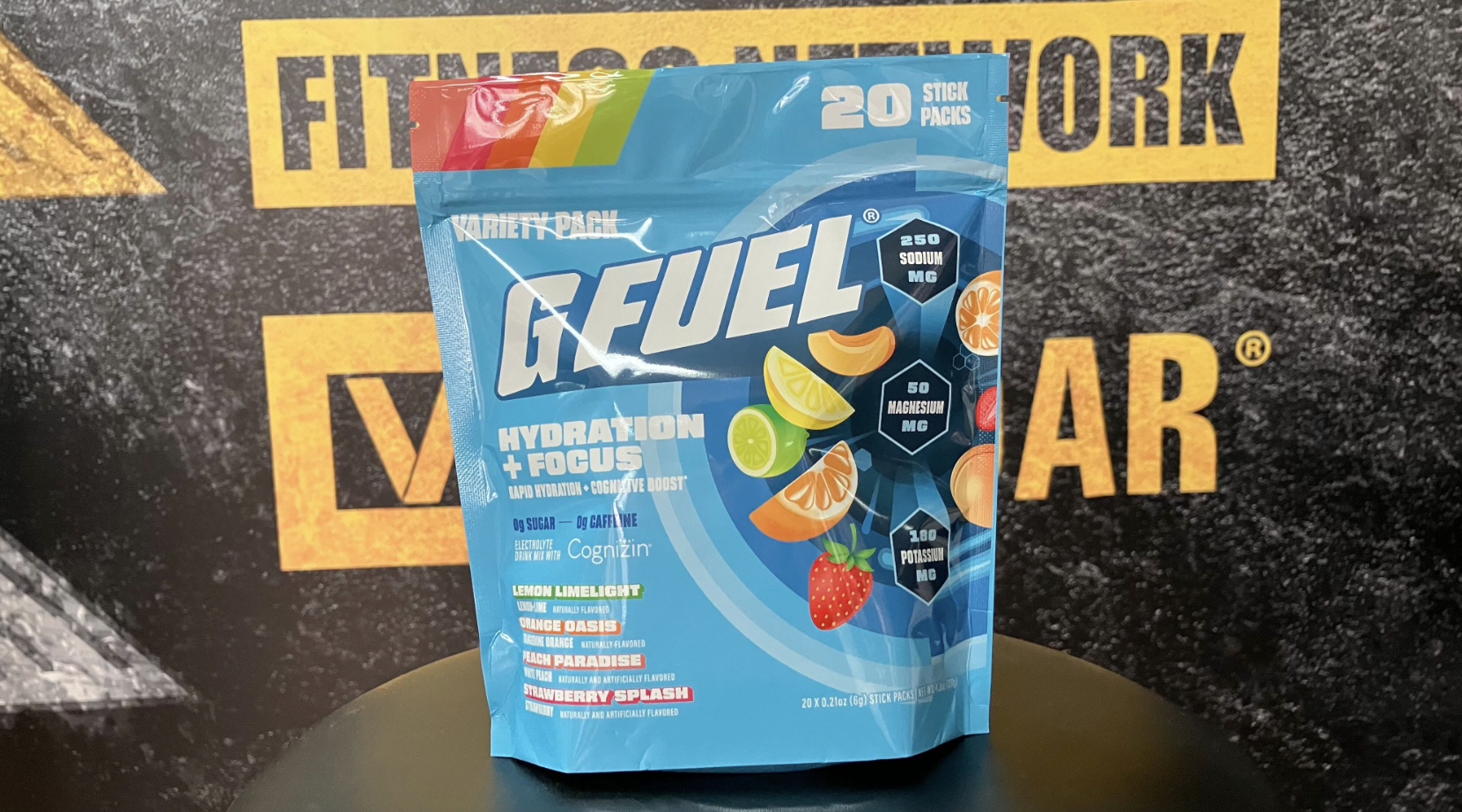
This week’s episode of the podcast is brought to you by G FUEL. Introducing their new 2.0 formula – with cleaner ingredients and the same amazing flavors you know and love – without the chalky aftertaste and no more powder settling at the bottom of your shaker.
We’re talking upgraded ingredients, more aminos, more antioxidants, and zero fillers. Our new formula has everything you need to fuel your worlds!
Use code GI20 at checkout and save 20% off your next purchase!
A Moment of True Camaraderie
To better understand William Bonac’s perspective, Kai Greene shared a specific memory that stood out to him. He recalled a competition where William Bonac faced Shawn Rhoden onstage. Rhoden ultimately won the show. What made the moment special wasn’t just the victory, but Bonac’s reaction.
According to Kai, William Bonac celebrated Rhoden’s win with genuine enthusiasm. He celebrated as if the victory were his own. There was no visible bitterness, no forced sportsmanship. It was sincere, heartfelt, and rare.
Kai imagined how meaningful that moment must have been for both Bonac and Rhoden. To work that hard, to win, and then to be met with real joy from a direct competitor is something few athletes ever experience. That kind of brotherhood leaves an imprint. When you’ve had it, its absence later in life can feel sharp.
Kai contrasted that with his own journey. He admitted that he never fully engaged with that side of bodybuilding. Not because he rejected it, but because it wasn’t how he related to the sport. If camaraderie presented itself, he wouldn’t turn it away. But he never tried to force it, either.
That, in Kai’s view, is the key. Camaraderie in bodybuilding cannot be manufactured. It happens naturally when personalities align. Some generations experience more of it. Others less. And each athlete processes that reality differently.
Longevity, Aging, and the Quiet Question of Retirement
As the conversation continued, Kai Greene shifted the lens toward Bonac’s career length. William Bonac has been competing at the professional level for a long time. During that span, entire generations of bodybuilders have entered the sport, peaked, and retired.
Many of Bonac’s original peers are no longer onstage. That changes the experience, whether an athlete admits it or not. When the people who came up with you are gone, the environment feels different. The locker rooms change. The energy changes. The shared history fades.
Kai suggested that Bonac’s comments might not be about modern bodybuilding alone, but about where Bonac is in his own life. When passion starts to fade, it doesn’t always mean something is wrong. Sometimes it’s a signal that a chapter may be nearing its natural end.
Importantly, Kai emphasized that there is no rulebook for retirement in bodybuilding. A pro bodybuilder doesn’t owe the sport a specific number of years. Bonac is not elderly. He isn’t anywhere near traditional retirement age as defined by society. If he wants to keep competing, he absolutely can.
But if he feels ready to step away, that choice deserves respect.
According to Kai, the most important thing is honesty. Competing without passion eventually takes more than it gives. Walking away when it feels right is not quitting. It’s self-awareness.
Lightning Round: Personal Reflections from Kai Greene
The episode closed with a lightning round of fan questions, offering a more personal look at Kai Greene’s mindset.
Most Fulfilling Competition
When asked which competition was the most fulfilling of his career, Kai Greene initially resisted the idea of ranking them. He said every competition he ever entered was fulfilling. Vlad pushed back, arguing that some experiences must stand out more than others.
Kai then shared context that reframed the question entirely.
There was a time in his life when bodybuilding wasn’t guaranteed. Kai was once a ward of the state. His freedom was limited. His future was uncertain. Competing wasn’t just difficult. It felt impossible.
For his very first bodybuilding show, Kai had to receive permission from a judge. If he made a single mistake in the institution, he could lose his chance to compete. Training and dieting depended on staying out of trouble. The stage was not promised.
In that light, his first competition became deeply meaningful. It represented the transition from believing in something impossible to actually achieving it. For Kai, that alone made every competition afterward something to be grateful for.
RELATED: Get inside the mind and the past of Kai Greene in the feature documentary ‘KAI‘
Favorite Movies of All Time
When asked to name his top three favorite movies, Kai Greene offered a list that revealed his sense of wonder and nostalgia.
First was the original Star Wars trilogy. He spoke about connecting deeply with Luke Skywalker and the sense of adventure and possibility those films inspired.
Second was The Warriors, which he called a true classic. The film’s themes of survival, loyalty, and identity clearly resonated with him.
Third was The Wiz, a choice that reflected Kai’s appreciation for creativity, music, and reinterpretation of familiar stories.
Will Kai Greene Ever Compete Again?
The final question addressed what fans always want to know. The question that will never fully leave the rearview as Kai moves forward in life. Will Kai Greene ever return to the competitive stage?
Kai answered carefully, as he always does. He said he wants to believe that his best is still ahead of him. That belief continues to guide how he trains and takes care of himself. The door, he said, is not fully closed.
There are things he feels he never fully expressed onstage. Parts of himself he hasn’t gotten out of his system yet. Competing again would be one way to release that.
At the same time, Kai made no promises. He isn’t actively preparing for a comeback, but he also isn’t letting himself drift out of shape. He keeps the possibility alive in the background, training with intention and leaving room for the future to decide.
Wrap Up
This episode of the Kai Greene Effect wasn’t about controversy or speculation. It was about perspective. William Bonac’s honesty opened the door to a deeper conversation about how bodybuilding changes over time and how athletes change with it.
Kai Greene didn’t dismiss Bonac’s feelings, nor did he romanticize the past. Instead, he offered something more valuable. Context. Understanding. And permission for every athlete to define success and fulfillment on their own terms.
In a sport built on extremes, that kind of balance matters.